
Table of Contents
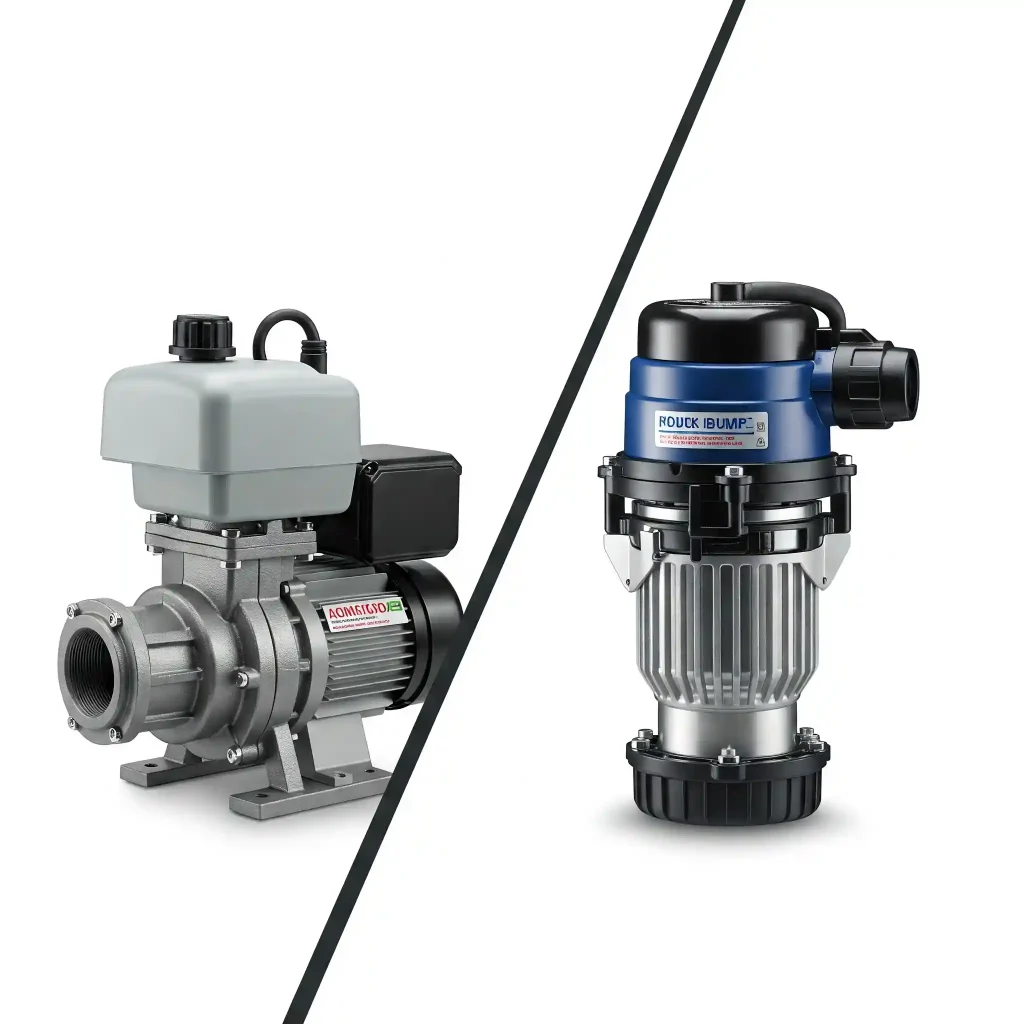
In the world of construction, industry, and agriculture, water pumps play a vital role in ensuring smooth operations and meeting the water demands of your project. Choosing between booster pumps and submersible pumps is a critical decision. Booster pumps are known for their ability to increase water pressure and push it to higher elevations, while submersible pumps operate directly within water sources such as wells or tanks.
Making the right decision between the two ensures higher project efficiency, reduced operational costs, and uninterrupted workflow.
This guide will highlight the key differences between booster and submersible pumps, showcasing the advantages of each and the most suitable scenarios for their use. It will equip you with the necessary knowledge to make an informed decision that drives the success of your project, while outlining the main factors to consider when selecting the appropriate pump. Keep reading to discover which pump is best suited for your needs.
What Are Booster Pumps?
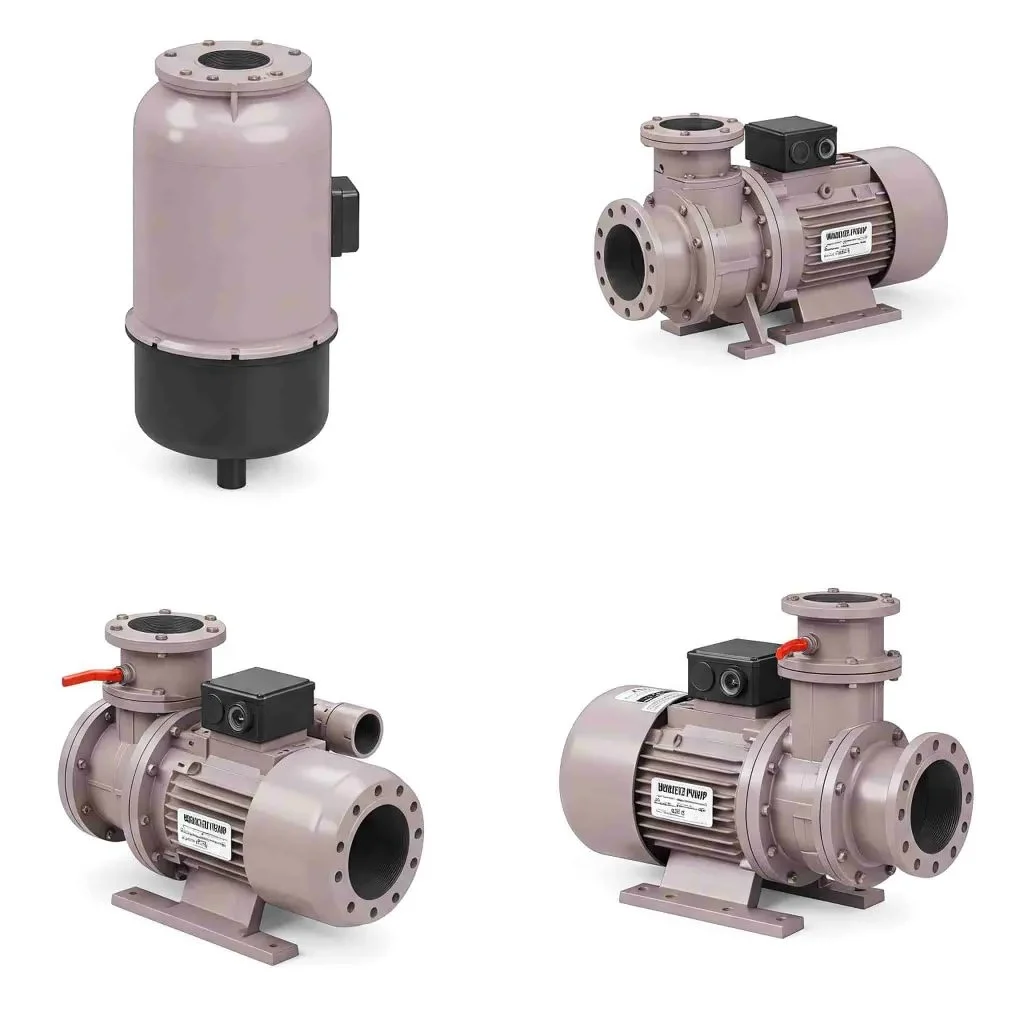
Booster pumps are specifically designed to increase water pressure within distribution systems, ensuring a strong and consistent flow throughout the network. These pumps often use a closed impeller design to ensure smooth flow and minimize energy loss, making them highly efficient in terms of energy consumption.
They are commonly used in residential and commercial buildings to deliver water to upper floors, in industrial cooling systems that require stable pressure, and in agricultural irrigation systems that need continuous, strong water flow.
What Are Submersible Pumps?
Submersible pumps are designed to operate completely underwater, whether in water wells, sewage tanks, or other submerged environments. They are efficient in pumping water from deep sources to the surface while minimizing cavitation risk, thanks to their position inside the liquid.
These pumps are often used for extracting water from deep wells, in sewage systems for handling contaminated water with solids, and in flood drainage systems where large volumes of water need to be removed quickly.
Detailed Comparison Between Booster and Submersible Pumps
When choosing the right pump for your project, several key factors impact efficiency, cost, and maintenance. The following comparison highlights the differences between booster and submersible pumps to help you make an informed decision based on your specific requirements:
| Submersible Pumps | Booster Pumps | Factor |
| Less efficient due to variable flow conditions. | More energy-efficient for applications requiring constant pressure. | Efficiency & Energy Use |
| Best for contaminated water or liquids containing solids. | Ideal for clean water needing stable pressure. | Type of Liquid |
| Harder to maintain due to underwater location; requires special equipment. | Easily accessible, making maintenance simpler and less costly. | Installation & Maintenance |
| Higher upfront investment and maintenance costs due to depth and setup complexity. | Lower installation costs and reduced long-term operational expenses. | Overall Costs |
How to Choose the Right Pump for Your Project
Choosing the right pump is not a random decision—it requires a careful analysis of several key factors to ensure optimal operational efficiency at the lowest cost. Below are practical steps to help you identify the best pump for your needs:
1. Determine Flow Rate and Head Requirements
Start by identifying your system’s flow rate (amount of water to be pumped) and the required head (height to which the water must be lifted). These values depend on the application—whether it’s irrigation, water distribution, or industrial use.
2. Analyze the Liquid Quality
Does the fluid contain solids or contaminants? If so, a submersible pump is likely more suitable. If the water is clean and requires consistent pressure, a booster pump is ideal.
3. Evaluate Site Conditions
Do you have enough space for installation? Is the site easily accessible for maintenance? Submersible pumps may be harder to access, whereas booster pumps are generally easier to maintain and service.
4. Estimate Total Cost
Consider total costs including installation, routine maintenance, and long-term operation. Submersible pumps typically have higher initial costs but may be more economical over time depending on the system.
🔹 Expert Tip from NOP Pumps
Always conduct a pump system analysis before purchasing to ensure optimal efficiency. NOP experts recommend a thorough evaluation to guarantee that the selected pump meets your project requirements, helping to lower long-term operational costs and maximize your return on investment
The Importance of Technical Analysis Before Choosing a Pump
Before selecting a pump, it’s essential to perform a detailed technical analysis to ensure that the chosen pump will meet your needs efficiently. This analysis should include:
Flow Rate: How much water needs to be pumped in a given time.
Head Height: The vertical distance the water needs to travel.
Environmental Conditions: Such as temperature and fluid quality (clean or with solids).
Required Pressure: Whether your system needs constant or variable pressure.
This technical evaluation helps determine whether a booster or submersible pump is best for your setup. It also helps avoid future issues due to improper pump selection, ultimately saving you time and money
How Site Conditions Affect Pump Selection
Site conditions are a major factor in deciding which pump to use. Consider the following:
- Installation & Accessibility: If your site is hard to reach or has limited space, submersible pumps may be harder to install and maintain. Booster pumps, on the other hand, offer easier access and serviceability.
- Depth or Height: For deep water sources like wells or sewage systems, submersible pumps are ideal. For long-distance or high-elevation water movement with stable pressure, booster pumps perform better.
- Environmental Conditions: High temperatures or chemically aggressive fluids require choosing pumps with suitable materials and cooling technologies
Use Cases for Booster and Submersible Pumps
Booster Pumps:
- Water distribution systems in residential or commercial buildings needing consistent pressure.
- Irrigation systems that require stable water pressure for even coverage.
- Industrial cooling systems where constant pressure is crucial.
Submersible Pumps:
- Deep well applications where water must be pumped from significant depths.
- Sewage systems that handle contaminated water or solids.
- Flood drainage or water removal from low-lying areas.
- Groundwater pumping stations or any below-surface environment requiring submerged pumps.
Final Thoughts
Selecting the right pump depends on a combination of technical and operational factors that must be carefully assessed. Whether you need booster pumps to increase system pressure or submersible pumps to extract water from deep sources, a well-evaluated choice ensures the success and sustainability of your operations.
Need Expert Advice or Custom Solutions?
If you’re looking for technical consultation or tailored solutions for water systems, groundwater pumps, irrigation, or pump supply, don’t hesitate to reach out to our expert team. We’re here to help you select the best solution for efficient and sustainable water systems.
🌐 Follow us on Instagram: Advanced Pumps | NOT ONLY PUMPS for the latest products and offers.
📲 Have a question? Contact our team directly via WhatsApp for immediate and professional support.
At NOP, we guarantee top-tier solutions tailored to your exact needs—with the highest levels of quality and efficiency.