

A fountain pump is the core component of any decorative water feature, responsible for creating the smooth flow of water that adds charm and movement to a space. Whether you’re looking for a small indoor pump or a powerful garden model, choosing the right type makes all the difference in both performance and aesthetics.
This guide covers everything you need to know before buying the perfect fountain pump.
What Is a Fountain Pump?
If the fountain is the soul of your garden or living space, then the pump is its beating heart.
Simply put, a fountain pump is a small or medium-sized device that circulates water from a reservoir upward through nozzles to create a continuous, visually pleasing water flow.
How a Fountain Pump Works
The pump draws water from the reservoir through an inlet tube and pushes it upward through a nozzle or fountain head.
The power of the water flow depends on the pump’s type, the size of the fountain, and the required lift height.
Most fountain pumps are electric, though modern solar-powered models are increasingly popular for saving energy — especially in sunny regions like Saudi Arabia.
The Difference Between Small and Large Fountain Pumps
- Small pumps: Used for indoor decorative fountains or small garden features. They are lightweight, energy-efficient, and easy to install.
- Large pumps: Designed for outdoor or public fountains requiring strong water flow and high lift. They are typically made of corrosion-resistant materials and can operate continuously for long periods.
Expert Tip: Don’t choose an overly powerful pump — too much pressure can cause splashing and excessive water loss, leading to more maintenance and higher water consumption.
Types of Fountain Pumps by Use
Each fountain type has its own requirements in terms of power, size, and installation.
Below is a breakdown of fountain pumps according to where they’re used:
- Indoor Fountains
Indoor fountains are popular decorative features that create a calm, relaxing ambiance in homes, offices, or reception areas.
They use compact, low-noise pumps that consume very little power. The goal here is elegance and tranquility, not strength.
Features of Indoor Pumps:
- Operate on low voltage (typically 5–12 volts).
- Equipped with small filters to remove debris.
- Easy to conceal inside the fountain base or reservoir.
- Run quietly and continuously.
Tips for Choosing:
- Select a pump with a power rating between 5–25 watts and a maximum lift of 1.5 meters.
- For small decorative fountains, check out “Mini Water Pump: Practical and Affordable Home Solutions.”
- Garden Fountains
Outdoor fountains add elegance to any home garden or courtyard.
These require medium-power pumps that can withstand outdoor conditions such as dust and high temperatures.
Features of Garden Pumps:
- Made of corrosion- and water-resistant materials.
- Power range: 30–100 watts.
- Equipped with durable outlets for strong flow.
- Can be connected to a timer to save energy.
Popular Types:
- Solar-powered pumps: Operate during the day without electricity — ideal for sunny cities like Riyadh or Jeddah.
- Waterproof electric pumps (IP68): Designed for continuous operation in large gardens.
Garden fountain pumps can also be used to power small waterfalls or ornamental fish ponds, making them highly versatile.
- Industrial and Public Fountains
Large fountains found in malls, public squares, or resorts require high-performance pumps capable of moving large volumes of water continuously and to significant heights.
These pumps are equipped with powerful motors, often multistage designs, to boost pressure and ensure even water distribution across multiple outlets.
Advantages of Industrial Pumps:
- Long operational lifespan.
- High resistance to corrosion and harsh environments.
- Ideal for complex fountain systems with multiple patterns and nozzles.
For more details about compact home fountain pumps, see “Small Fountain Pump: The Perfect Choice for Home Fountains.”
How to Choose the Right Fountain Pump
Choosing a fountain pump isn’t only about looks — it’s an engineering decision that depends on four key factors:
power, flow rate, lift height, and energy consumption.

- Power
Measured in watts (W) or horsepower (HP).
The larger and taller your fountain, the more power you need.
Fountain Type | Recommended Power |
Small indoor fountain | 5–25 W |
Garden fountain | 30–100 W |
Public or industrial fountain | 0.5–3 HP |
Tip: A stronger pump isn’t always better — aim for a balance between desired height and steady flow.
- Flow Rate
The flow rate represents how much water the pump moves per minute or hour, typically measured in liters per minute (L/min) or per hour (L/h).
Fountain Type | Ideal Flow Rate |
Indoor fountains | 200–800 L/h |
Garden fountains | 1000–4000 L/h |
Industrial fountains | 5000+ L/h |
Choose a pump that achieves your desired water height without excessive splashing or water loss.
- Lift Height
This is the maximum height the pump can push water.
Always check that the pump’s maximum lift exceeds your fountain’s height.
For example, if your fountain is 1.2 meters tall, select a pump with at least 1.8 meters of lift for stable flow.
- Energy Consumption
The more efficient the pump, the lower your electricity costs.
Look for models labeled Energy Saving or Eco Pump, and consider solar-powered options for outdoor setups.
You can also explore high-efficiency models in “Best Chinese Water Pumps 2025.”
Top Fountain Pump Brands
With the growing demand for fountain pumps in homes, gardens, and commercial spaces, several brands now cater to a wide range of needs and budgets.
Some focus on affordable models for small fountains, while others specialize in premium, heavy-duty pumps built for continuous use.
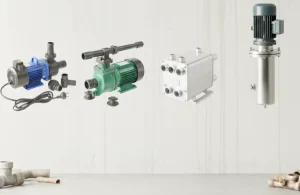
Comparison Table
Brand | Country of Origin | Key Features | Ideal Use |
China | Simple design, reliable performance, easy maintenance. | Indoor fountains and small tanks | |
China | Widely available, quiet, energy-efficient. | Small and medium garden fountains | |
China | Durable materials, steady flow, great for daily use. | Medium home fountains | |
Europe | High European quality, long lifespan, corrosion-resistant. | Large fountains and continuous operation |
You can also check small fountain pumps for indoor spaces or explore the best Chinese water pumps if you’re seeking reliable performance at an economical price.
These options offer practical solutions for both home and outdoor installations.
Step-by-Step Guide: Installing a Fountain Pump
Proper installation ensures stable operation and longer pump life.
Follow these steps:
Preparation
- Check the pump’s voltage and flow specifications.
- Prepare a clean, stable surface in the reservoir or basin.
Installation
- Place the pump on a flat base to prevent vibration.
- Use the included brackets (if provided) to secure it firmly.
Connecting Pipes and Nozzles
- Attach the outlet hose tightly using clamps to prevent leaks.
- Adjust the nozzles to the desired spray pattern before final tightening.
Electrical Connection
- Disconnect power before making any connections.
- Ensure cables are protected and dry; use a separate circuit breaker for safety.
Filling and Testing
- Fill the reservoir until the pump is fully submerged.
- Run the pump briefly to check for smooth flow and any unusual noise or leaks.
Final Calibration
- Adjust flow rate and nozzle direction to your liking.
- Make sure the water doesn’t splash out and that the sound remains soft and steady.
Note: Some modern pumps support solar operation or Bluetooth control — always review the manufacturer’s manual for optimal use.
Common Fountain Pump Problems and Solutions
Even the best pumps may face issues over time. Knowing how to identify and fix them helps maintain performance and prevent damage.
- Weak Water Flow
- Causes: Clogged nozzles or filter, low water level, or an underpowered pump.
- Solution: Clean nozzles and filter regularly, refill water, and ensure correct pump sizing.
- Clogged Filter or Debris
- Causes: Leaves, sand, or dirt buildup.
- Solution: Remove and clean the filter periodically; use a mesh guard to block debris.
- Pump Not Running
- Causes: Power interruption, electrical fault, dry operation, or motor damage.
- Solution: Check power supply, ensure proper submersion, disconnect before inspection, and consult a technician if needed.
- Loud Noise or Vibrations
- Causes: Uneven installation, loose parts, or worn bearings.
- Solution: Reposition pump on a stable surface, tighten screws, and replace bearings if necessary.
- Overheating
- Causes: Dry operation, internal blockage, or overload.
- Solution: Turn off the pump, let it cool, ensure adequate water level, and clean filters before restarting.
Maintenance Tip: Routine cleaning and filter checks prevent most of these problems and ensure smooth, long-lasting performance.